 (412) 506-0775
Garage door sensor repair
A door that reverses or refuses to close may have a sensor issue, but the symptom can also come from an obstruction, wiring problem or mechanical resistance.
 NESENKOGARAGE DOORS
An opener problem is not always a motor problem. Sensors, settings, remotes, mechanical resistance, and door balance can all affect how the system behaves.
(412) 506-0775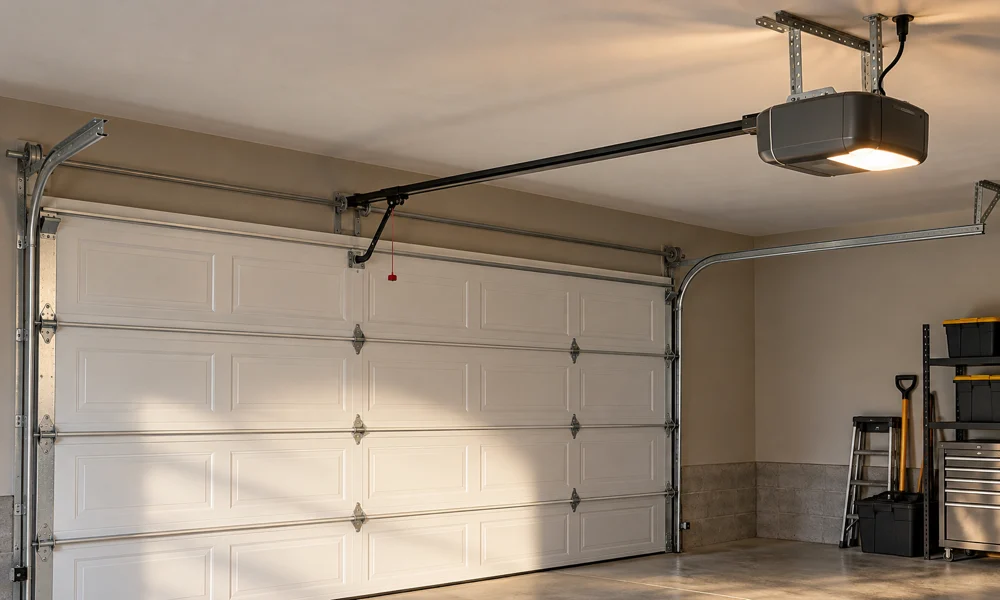
The right next step depends on the condition of both the opener and the door. Repair may be appropriate for a specific fault; replacement may make sense when reliability or parts availability becomes an issue.
A CLOSER LOOK
A reliable opener starts with a door that moves and balances correctly. Safety sensors, travel limits, wall controls, remotes, and the rail all play a part in everyday operation. A new powerhead will not correct a damaged or unbalanced door.
For replacement, discuss drive noise, available headroom, door size, battery backup, and any connected features you want. Smartphone access depends on the selected equipment, compatibility, connectivity, and sometimes a separate service.
An obstructed or misaligned safety sensor is one possibility. Mechanical resistance and travel settings can also be involved. Keep the opening clear and never bypass the safety system.
Connected features can be convenient, but they are optional. Compare compatibility, network requirements, access controls, and ongoing costs before choosing a model.
Often it can, provided compatible equipment is available. The opener’s model and learn-button information help identify the right replacement.
SPECIFIC PROBLEMS. USEFUL ANSWERS.
A door that reverses or refuses to close may have a sensor issue, but the symptom can also come from an obstruction, wiring problem or mechanical resistance.
When a remote or keypad stops responding, note which controls still work. That distinction helps separate an individual accessory issue from an opener or power problem.
Garage door repair, installation, and service for Pittsburgh and surrounding areas.